Pendampingan Pemberdayaan Masyrakat Dan Sosialisasi PLTU Dan PLTB Sebagai Energi...


Sustainable Development Goals (SDGs) Center Universitas Hasanuddin


Hasanuddin University’s Commitment to Supporting Underprivileged Students through Scholarship Programs
Hasanuddin University (Unhas) has long demonstrated a strong commitment to expanding access to higher education for students from economically disadvantaged backgrounds. Through a wide range of comprehensive scholarship and financial aid programs, Unhas ensures that financial challenges do not become a barrier for young people in achieving their academic aspirations. In 2024 alone, a total of 9,761 Unhas students received scholarships from various sources, including ministries, private institutions, and internal university initiatives.
This commitment is further reflected in the launch of a full scholarship program designed to cover the educational expenses of underprivileged students until they complete their studies. The program not only provides financial assistance but also offers work opportunities for students in need. The Rector of Unhas, Prof. JJ, emphasized that thousands of scholarship slots are available for students from low-income families, allowing them to pursue higher education free of charge. This initiative reinforces Unhas’s mission to make higher education more inclusive and accessible to all segments of society.
To ensure that assistance reaches those who truly need it, Unhas has established a special admission pathway known as the Sports, Arts, and Science Development Admission Track (POSK). Applicants from underprivileged families who apply through this pathway are required to submit eligibility documents such as a Family Welfare Card (KKS) or Indonesia Smart Card for College Students (KIP-Kuliah). In 2024, Unhas admitted 70 students through the POSK admission track, all of whom are encouraged to actively participate in extracurricular activities aligned with their talents and interests.
In addition to externally funded scholarships, Unhas also mobilizes its internal resources to support students through the university’s Endowment Fund. This fund regularly provides educational assistance to students in need. For instance, during the 2024 National Education Day (Hardiknas) celebration, 86 students received financial aid from the Endowment Fund. In the same year, Unhas also welcomed 1,845 new students as recipients of the KIP-K Scholarship, a vital government program that supports access to higher education for students from low-income families.
Amid growing concerns about the increasing cost of higher education in Indonesia, the Rector of Unhas took a firm stance by declaring that there would be no increase in the Single Tuition Fee (UKT). This policy reflects the university’s deep concern for the financial burdens faced by students and their families, ensuring that higher education remains affordable and within reach.
Unhas’s efforts do not stop there. The university continues to expand its network of partnerships with social organizations and charitable foundations to maximize support for students. One notable collaboration is with the Amal Bakti Das’ad Latif Foundation, which provides additional scholarship opportunities. Furthermore, partnerships with third-party scholarship providers such as the BSI (Bank Syariah Indonesia) Scholarship have opened wider access for high-achieving students from underprivileged families to receive educational funding. Most recently, in 2024, Unhas collaborated with PT Indonesia Morowali Industrial Park (IMIP) to provide scholarships to 27 students from engineering and Mandarin language programs.
To maintain transparency and ease of access, all scholarship-related announcements, including the list of Endowment Fund recipients, are published on the official student affairs portal. As of 2024, Unhas offers 32 types of scholarship collaborations with ministries, local governments, companies, and charitable foundations.
Overall, the diverse scholarship and financial aid programs implemented by Unhas throughout 2024 have had a significant impact on improving access to higher education. These initiatives not only align with the first Sustainable Development Goal (SDG 1) No Poverty but also serve as a strategic investment in human capital. Through the synergy of government, university, and social foundation support, thousands of underprivileged students now have a fairer opportunity to pursue a brighter future through quality education.
Admission Targets and Support for Students from the Bottom 20% Income Group at Hasanuddin University
Hasanuddin University (Unhas) has consistently demonstrated its commitment to inclusive higher education by expanding opportunities for students from economically disadvantaged backgrounds, particularly those belonging to the bottom 20% of household income groups. This commitment is realized through strategic policies, scholarship programs, and tuition schemes designed to ensure that financial limitations do not hinder students from pursuing quality education.
Unhas’s dedication to accessibility is reflected in its wide-ranging scholarship initiatives and pro-student tuition policies. Through its official programs, Unhas provides financial assistance to thousands of underprivileged students each year. Unhas highlights how substantial resources are allocated to support students in completing their studies without financial hardship. The university also implements the UKT 1 policy, which grants zero Rupiah tuition fees (0 Rupiah) for students classified as economically underprivileged. This policy, featured in Unhas’s official communications, underscores the university’s strong commitment to affordability and equal opportunity in higher education.
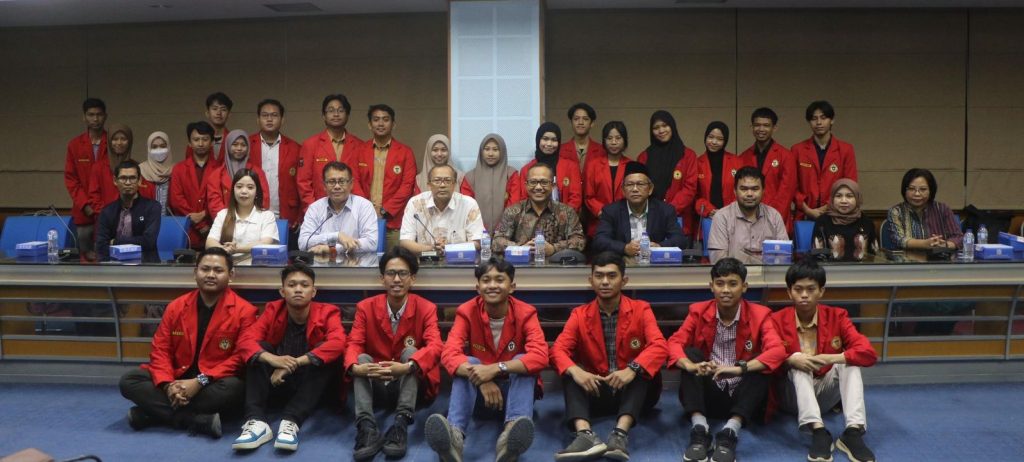
To enhance transparency and accessibility, Unhas provides comprehensive scholarship information through its official student portal. The platform details various financial aid opportunities, including government-funded programs, private sector scholarships, and grants from social foundations, all aimed at ensuring that no student is left behind due to economic barriers.
In addition to general scholarships, Unhas offers specialized financial aid programs such as the LPS Main Scholarship 2024, which supports academically outstanding students who face financial challenges. The university also partners with industry to expand scholarship opportunities and career pathways. A notable example is the collaboration in 2024 with PT Indonesia Morowali Industrial Park (IMIP), which provides the IMIP Cares Scholarship, combining financial support with a professional development and employment pathway for selected students.
In 2024, Unhas allocated scholarships for approximately 3,750 students, prioritizing those from low-income households. This initiative reflects the university’s target to ensure that at least 25% of its student population receives financial assistance, particularly those under the UKT 1 category — students verified to have minimal or zero household income. Through this effort, Unhas guarantees that students from the bottom income quintile have the opportunity to pursue their studies without financial pressure.
Furthermore, Unhas continues to broaden access to quality education through competitive programs such as the BSI Scholarship 2024, which promotes excellence and equity by supporting talented students from diverse socioeconomic backgrounds. These initiatives collectively reflect Unhas’s broader mission to bridge the educational gap and empower students from all walks of life.
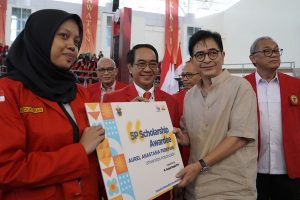
By maintaining proactive tuition policies, developing diverse scholarship schemes, and setting clear admission targets for students from the lowest income groups, Unhas plays a vital role in advancing Sustainable Development Goal (SDG) 1: No Poverty. These efforts not only help reduce educational inequality but also serve as a long-term investment in human capital. Through these inclusive initiatives, Unhas continues to empower thousands of underprivileged students to achieve their aspirations and contribute meaningfully to national and global development
Ensuring the Graduation of Students from Low-Income Families: UNHAS’s Commitment to Inclusive and Equitable Education
Higher education is one of the most effective means to break the cycle of poverty. However, for many students from households in the bottom 20% income group, financial challenges often become a major barrier to completing their studies. Recognizing this reality, Universitas Hasanuddin (UNHAS) continues to demonstrate its strong commitment to ensuring that no student is forced to discontinue their education due to economic hardship.
This firm commitment was explicitly stated by the Rector of UNHAS in an interview published by Identitas Unhas. The Rector emphasized that no student should have to drop out of university simply because they are unable to pay tuition fees (UKT). This statement reflects the university’s genuine concern for the academic continuity of students from low-income families.
UNHAS ensures that various mechanisms for financial aid, tuition adjustments, and flexible payment schemes are available to help students continue their studies without being burdened by financial difficulties. This initiative reinforces the university’s principle that access to education should not be limited by one’s economic background.
As part of its efforts to support the academic success of students from low-income households, UNHAS actively distributes a range of scholarships and financial aid programs. Through the official video release “Unhas Provides Scholarships for Underprivileged Students,” the university showcased its commitment to providing financial assistance to those in need, particularly students from the lowest income groups.
These scholarships go beyond tuition fee waivers—they also include living allowances, academic support, and access to essential facilities. By doing so, UNHAS ensures that every student has an equal opportunity to complete their studies successfully and contribute meaningfully to national development.
To further expand accessibility and provide direct support to students facing financial constraints, UNHAS has also established a Hotline and Special Tuition Assistance Desk for 2024 new students.
Through this service, students can directly consult about tuition reductions, installment payment schemes, and financial aid applications. The hotline and assistance desk serve as preventive measures to ensure that no prospective student from a low-income family loses the opportunity to begin their academic journey at UNHAS.
A Concrete Step Toward Education Without Barriers
Through initiatives such as the Rector’s commitment to student financial continuity, scholarship distribution for underprivileged students, and inclusive tuition assistance services, UNHAS reaffirms its dedication to creating an equitable and sustainable academic environment.
These policies not only ensure the graduation and success of students from the lowest economic backgrounds but also strengthen the role of education as a powerful instrument for social empowerment and poverty reduction. With this holistic approach, Universitas Hasanuddin continues to prove that the pursuit of knowledge knows no boundaries—even for those who come from the most modest economic circumstances.
Supporting Students from Low-Income Families in Achieving Success in Higher Education
To realize its commitment to poverty alleviation, Hasanuddin University (Unhas) provides comprehensive support to students from low-income families, ensuring that financial limitations do not hinder their pursuit of higher education. One of the university’s main initiatives is providing decent and affordable housing through the “RAMSIS” Student Dormitory, designed specifically to accommodate students from underprivileged backgrounds. The affordable rate, when compared to commercial off-campus housing, makes the dormitory an excellent and cost-effective option for students. In addition, the Dormitory in Gowa Campus (RAMTEK) also offers similar facilities that can be considered for the students from low-income families.
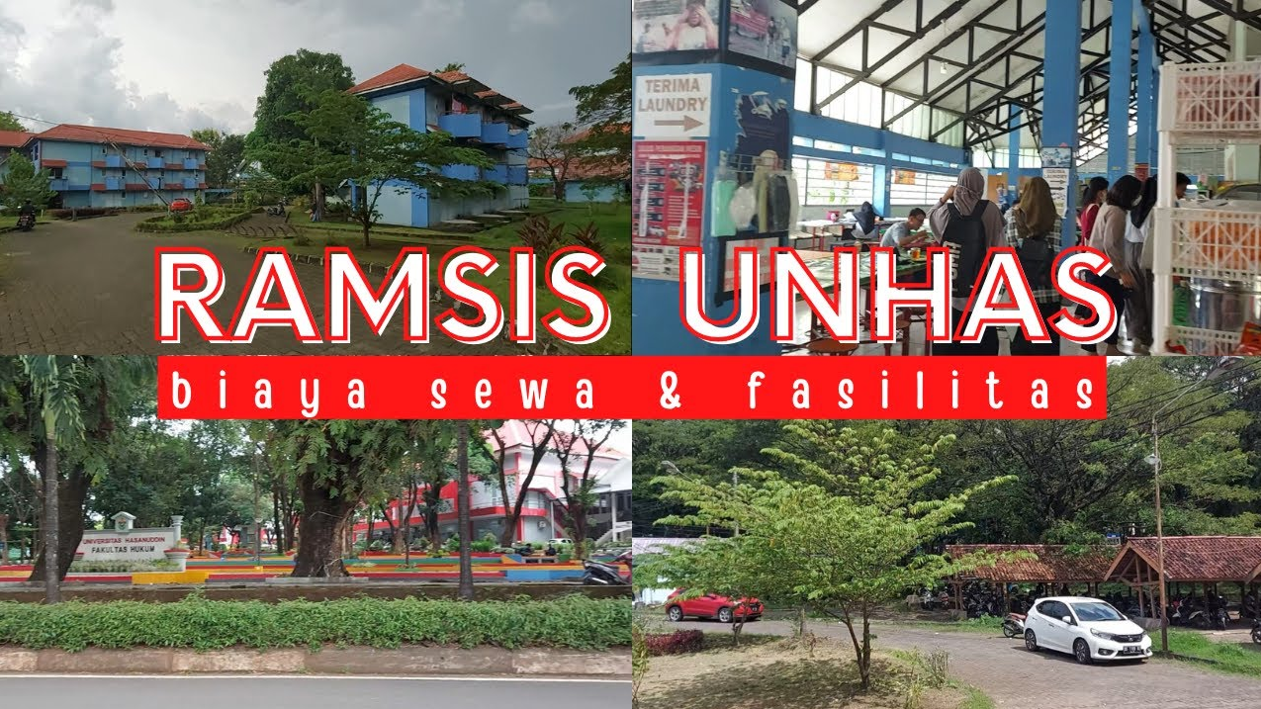
Unhas also plays an active role in improving dormitory management to meet students’ functional and technical needs. This division oversees maintenance, facility enhancement, and service quality to ensure that student housing remains sustainable and supportive. To strengthen dormitory management practices, Unhas also sent a delegation to Universiti Malaysia, where they learned best practices in sustainable and environmentally friendly dormitory operations.
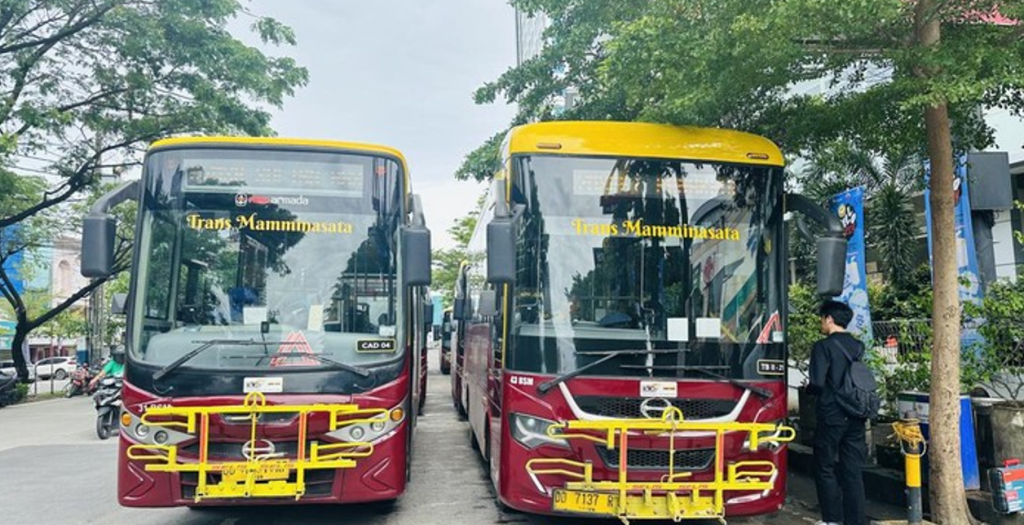
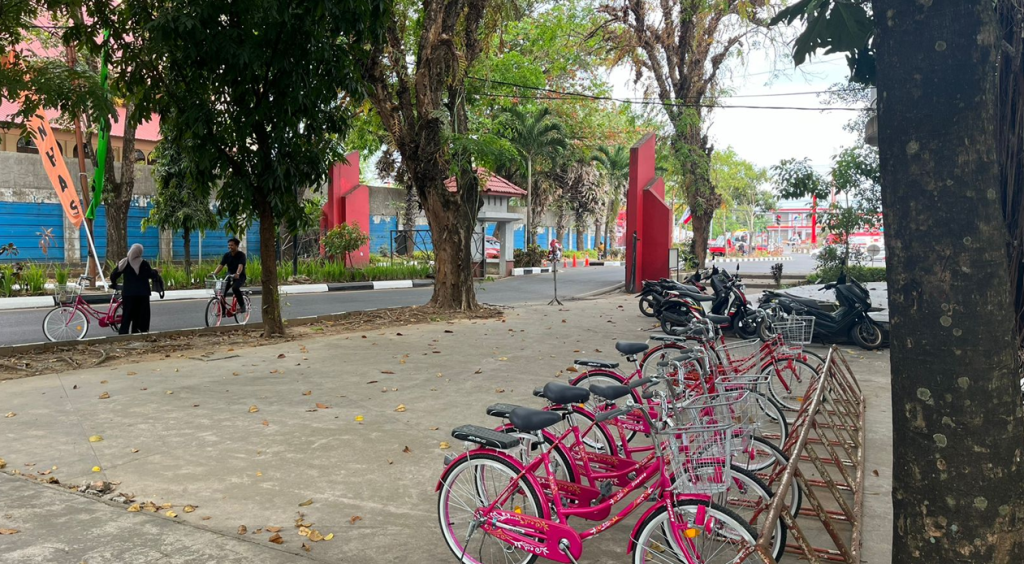
Transportation support is another important aspect of Unhas’s inclusivity efforts. The university provides a free bicycle service as part of its green campus initiative, helping students move easily between campus areas while promoting eco-friendly mobility. Complementing this effort, the “Teman Bus” service connects the Gowa Engineering Campus with the Tamalanrea Main Campus, making commuting faster and more convenient for students. With the addition of two new routes and a fleet of 27 buses serving key university and urban areas, the program significantly enhances accessibility for the student community.
Unhas also ensures that financial administration is manageable for all students. A dedicated hotline and help desk have been established to assist new students with questions and issues related to tuition fees (Uang Kuliah Tunggal or UKT), ensuring they receive accurate information and timely support.
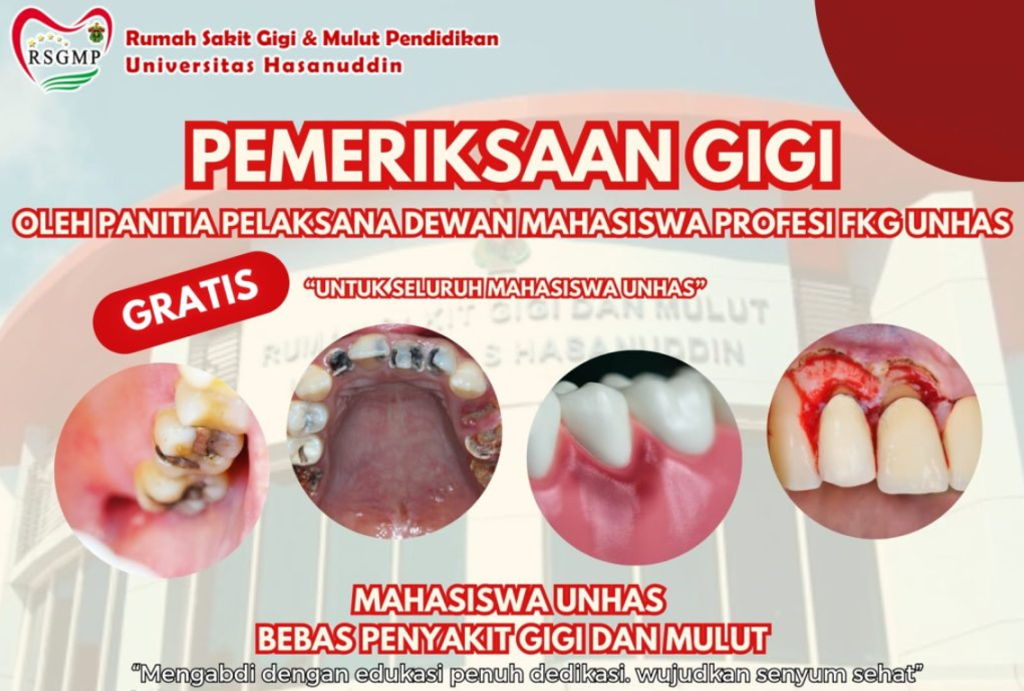
The university further extends its care through comprehensive health services for students. General and specialized medical care is available through on-campus health facilities. Additionally, in collaboration with the Faculty of Dentistry and the Student Professional Council, Unhas’s Dental and Oral Hospital (RSGMP) offers free dental check-ups for all students—an initiative that promotes student well-being and preventive healthcare awareness.
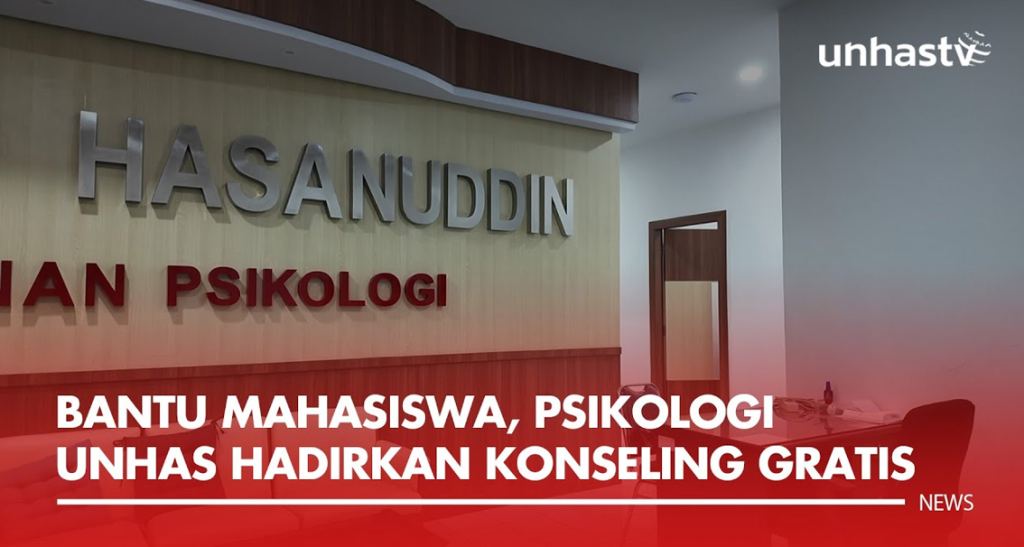
Beyond physical health, mental well-being is also a priority. The Psychology Department at Unhas provides free counseling services to help students manage stress, anxiety, and academic pressure. This initiative ensures that emotional and psychological support is accessible to all students, fostering a healthier learning environment.
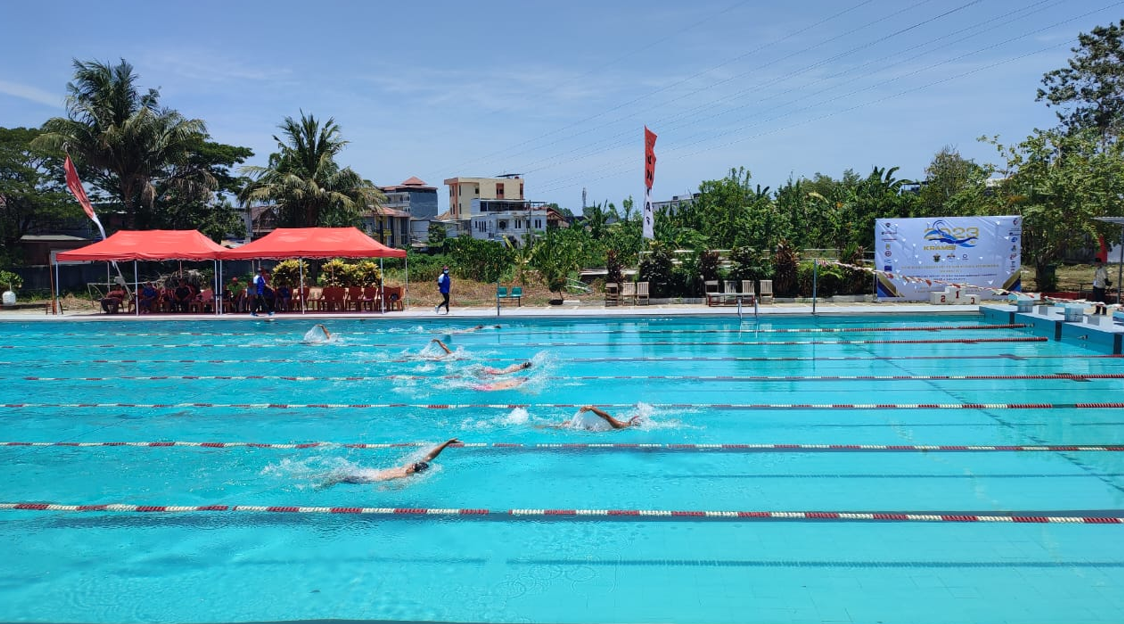
Unhas also encourages a balanced and healthy lifestyle through recreational facilities. The Unhas swimming pool is open to the public at affordable rates, with special discounts for university members. This initiative promotes physical activity and helps students maintain a healthy body and mind while studying.
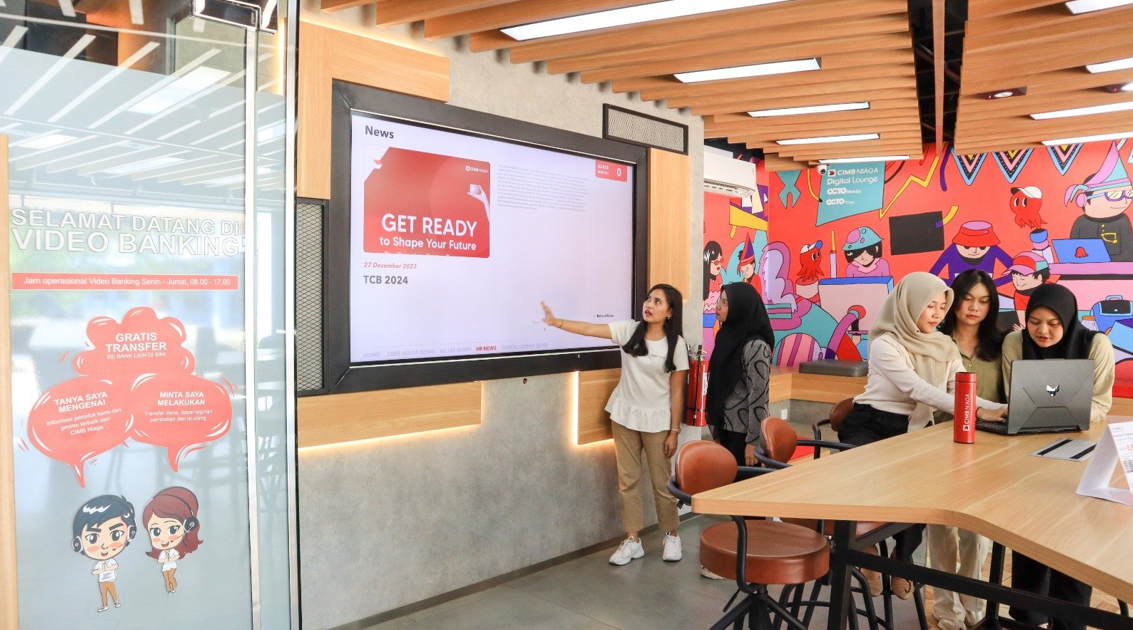
Financial and technological access is also strengthened through partnerships. The establishment of a CIMB Niaga Digital Lounge on campus allows students to conduct financial transactions easily and supports academic activities that require digital banking and payment services.
In times of emergency, Unhas ensures that students receive timely humanitarian assistance. For instance, during the evacuation of Unhas student hikers stranded on Mount Gandang Dewata, the university swiftly provided food aid and logistical support—demonstrating its responsiveness and concern for student welfare.
To support academic excellence, Unhas provides free access to ScienceDirect, a leading global database that allows students and faculty to access thousands of scholarly journals and e-books, enriching research and learning across disciplines. Furthermore, the Korean Corner at Unhas offers free Korean language training for students and the general public, broadening language proficiency and intercultural understanding that are essential for global engagement.
Through these comprehensive initiatives—ranging from affordable housing and transportation services to healthcare, counseling, academic resources, and skills development—Hasanuddin University actively empowers students from low-income families to complete their studies successfully. These efforts reflect Unhas’s broader mission to make education a transformative force for social mobility, equal opportunity, and poverty reduction. By fostering an inclusive academic environment, Unhas continues to prove that higher education is not a privilege for the few, but a right and opportunity for all.
Supporting Students from Low-Income Groups: Hasanuddin University’s Concrete Steps Toward Academic Success and Poverty Alleviation
As one of Indonesia’s leading public universities, Hasanuddin University (Unhas) continues to uphold its commitment to creating an inclusive and equitable higher education environment. Central to this mission is providing strong and tangible support for students from the bottom 20% of household income groups, ensuring that financial hardship does not become a barrier to academic success. This commitment reflects the university’s alignment with the Sustainable Development Goals (SDGs), particularly SDG 1: No Poverty and SDG 4: Quality Education, which emphasize the role of education in breaking the cycle of poverty.
Recognizing that financial constraints often pose serious challenges to student achievement, Unhas has introduced a series of initiatives designed to help economically disadvantaged students complete their studies successfully. One of these efforts is the Thesis Completion Assistance Program, which provides financial support for students in their final stages of study. This assistance covers expenses such as printing, field research, and other logistical costs. By reducing these financial burdens, Unhas ensures that all students, regardless of their economic background, have the opportunity to finish their theses and graduate on time.
In addition to internal university support, Unhas also collaborates with national institutions to expand research opportunities for underprivileged students. Through its partnership with the Bank Indonesia Institute, the university offers the Bank Indonesia Institute Research Grant 2024, which supports students conducting high-quality research in economics, finance, and public policy. This initiative not only empowers talented students from low-income families to produce impactful research but also promotes academic collaboration and professional development. By participating in this program, students can strengthen their research capacity, build networks with national stakeholders, and contribute meaningfully to inclusive economic growth.
The university’s collaboration with the private sector also plays a vital role in supporting student success. The Bank BTN Final Project Assistance Program exemplifies this synergy between academia and industry. The program provides financial aid to students who are completing their final projects or theses and require additional support to finish their studies. This partnership reflects the shared responsibility between higher education institutions and the corporate sector in ensuring that students—especially those from low-income families—can graduate without compromising academic quality or facing financial distress.
Beyond direct financial support, Unhas also focuses on enhancing academic resources to promote equal learning opportunities for all. The university provides free access to ScienceDirect, a leading global academic database that offers thousands of scholarly journals, e-books, and research materials. This initiative is particularly beneficial for students from underprivileged backgrounds who might otherwise struggle to access high-quality references. By democratizing access to knowledge, Unhas empowers its students to strengthen their academic literacy, improve research quality, and compete globally.
Through these comprehensive programs—ranging from financial assistance and research grants to academic resource accessibility—Hasanuddin University demonstrates a holistic approach to student empowerment. These efforts not only help students from low-income families achieve academic success but also embody a broader vision of education as a powerful tool for social mobility and poverty reduction.
By combining inclusive policies, strategic partnerships, and a commitment to equal opportunity, Unhas continues to prove that education can serve as the most effective pathway toward breaking the cycle of poverty and building a more just, knowledgeable, and prosperous society.
Expanding Access to Education to Eradicate Poverty: UNHAS Support for Students from Low-Income Countries
In support of Sustainable Development Goal (SDG) 1 – No Poverty, Universitas Hasanuddin (UNHAS) is deeply committed to expanding access to higher education for students from low- and middle-income countries. Through a range of international scholarship programs, UNHAS actively opens pathways for talented young people from economically disadvantaged backgrounds to pursue quality education in Indonesia.
The first step toward studying at UNHAS begins with the UNHAS International Admission Portal, which provides comprehensive information on admission procedures, requirements, and facilities available for international students. This portal reflects UNHAS’s inclusive approach to international education, ensuring transparency and accessibility for all prospective applicants.
One of the most prominent initiatives supporting students from developing nations is the Developing Countries Partnership (KNB) Scholarship, a program under the Indonesian Ministry of Education, Science, and Technology. This fully funded scholarship covers tuition fees, living and book allowances, health insurance, settlement allowance, and publication fees. In 2024, UNHAS welcomed eight international students under the KNB Scholarship, who will first complete a one-year Bahasa Indonesia for Foreign Speakers (BIPA) program before continuing to their respective degree studies at the university.
As part of its continuous effort to strengthen internationalization, UNHAS also offers the LEADS Scholarship, a partial scholarship aimed at cultivating global leadership among outstanding students from developing countries. In 2024, eight international students were selected as LEADS awardees, each receiving a 50% tuition reduction and full exemption from development fees.
The LEADS Program at UNHAS also serves as a platform for collaboration with the Government of Timor-Leste, which sends its academics to pursue higher education at UNHAS across all levels—undergraduate, master’s, and doctoral programs. In 2024, UNHAS proudly welcomed six students from Timor-Leste under this partnership, all of whom were granted full tuition waivers. This collaboration is set to continue in the coming years as part of an ongoing agreement to strengthen human resource development between Indonesia and Timor-Leste.
For postgraduate students with strong research potential, UNHAS offers the Presidential Scholarship, a prestigious award designed to support master’s and doctoral students from various countries in conducting impactful research aligned with sustainable development goals. In 2024, seven international students received the Presidential scholarship, gaining full tuition waivers and research funding through their academic supervisors.
Through these initiatives—the KNB Scholarship, the LEADS Scholarship, and the Presidential Scholarship—UNHAS not only enables individuals to access higher education but also contributes significantly to the global fight against poverty through human resource empowerment. Each scholarship recipient represents a future agent of change in their home country, bringing back knowledge, skills, and values that foster a more equitable and prosperous society.
Ultimately, UNHAS demonstrates that education is the most powerful bridge toward a world free from poverty—empowering individuals, transforming communities, and advancing sustainable global development.
Hasanuddin University is strongly committed to supporting the development of local entrepreneurship as part of its efforts to empower communities and promote sustainable development. Through various initiatives, the university actively assists local communities in fostering financially and socially sustainable businesses. This commitment is realized through the provision of education and relevant resources, such as mentorship programs, entrepreneurship training, and the utilization of university facilities for local start-up entrepreneurs.
Financial Assistance and Mentorship: Real Support for Sustainable Local Startups
In alignment with Sustainable Development Goal (SDG) 1 — No Poverty — empowering local communities through the creation of sustainable businesses is a vital strategy. This commitment is realized through financial assistance and mentoring programs that enable aspiring entrepreneurs from local communities to build ventures that are not only financially viable but also socially impactful.
As part of this mission, Universitas Hasanuddin (UNHAS) plays a leading role by providing seed funding of IDR 10 million to ten innovative startups developed by its students. This financial support serves as crucial initial capital, transforming creative ideas into tangible businesses ready to grow and compete in the market.
However, financial support alone is not enough. Building resilient and competitive businesses requires strong capacity and skills. Recognizing this, UNHAS established a strategic collaboration with the Ministry of Cooperatives and Small and Medium Enterprises (KemenKopUKM). This partnership resulted in an intensive Startup Bootcamp, specifically designed to strengthen the capacity of 23 selected startups. The program goes beyond theory, offering hands-on training and practical insights to help participants face real market challenges.
This strategic initiative even gained national media attention from Kompas UMKM, which highlighted how the collaboration aimed to enhance startup capacity and competitiveness. The media coverage underscores the importance of creating a comprehensive entrepreneurial ecosystem to foster capable and resilient new business founders.
The spirit of entrepreneurship continues to thrive among UNHAS students. This is evidenced by the growing number of student teams successfully securing competitive funding through the Student Entrepreneur Development Program (P2MW). In 2024, 16 student teams from UNHAS were awarded P2MW grants to realize their innovative business ideas.
This achievement was featured in a UNHAS TV report, which showcased how the university consistently supports and empowers student teams to succeed in national entrepreneurial funding programs. The report — “UNHAS Qualifies 16 Teams for P2MW 2024 Funding” — captures the enthusiasm and determination of these young entrepreneurs as they bring their ideas to life.
Together, these initiatives — from seed funding and capacity-building bootcamps to competitive grant programs — represent a holistic approach to entrepreneurship development. Rather than focusing solely on financial assistance, UNHAS builds a strong foundation for the long-term growth and sustainability of local businesses. Each successful startup not only creates employment for its founders but also contributes directly to breaking the cycle of poverty within its community, advancing the vision of a more prosperous and self-reliant society.
Access to Services Programs: Enhancing Community Welfare and Self-Reliance through Innovation and Training
As a higher education institution deeply committed to sustainable development, Universitas Hasanuddin (UNHAS) consistently implements a wide range of training programs, mentoring initiatives, and community partnerships aimed at expanding public access to essential services—ranging from education and health to economic empowerment. Through interdisciplinary engagement, UNHAS strives to ensure that communities, particularly those in rural areas and low-income groups, have equal opportunities to improve their quality of life.
One concrete example of this commitment can be seen in the community service initiative “KKN UNHAS Trains Residents to Produce Briquettes and Compost Fertilizer from Agricultural Waste.” In this program, UNHAS students work directly with local residents, providing hands-on training on how to turn agricultural waste into renewable energy sources and eco-friendly fertilizers. This initiative not only helps reduce organic waste but also opens up new economic opportunities for villagers through the production and sale of briquettes and compost with commercial value.
In addition, lecturers and students from the Faculty of Agriculture play an active role in improving local agricultural productivity. Through the Proliga program aimed at increasing chili farmers’ productivity, UNHAS supports farmers in adopting modern cultivation techniques and efficient post-harvest management. These efforts directly contribute to improving farmers’ income and strengthening food security across South Sulawesi.
In the area of economics and entrepreneurship, UNHAS has also established a strategic partnership with the Business Competition Supervisory Commission (KPPU) through the Partnership Extension Program for Monitoring Fair Business Practices among MSMEs. This initiative aims to protect small business owners and ensure a fair, competitive business environment—thereby fostering a more inclusive and equitable local economy.
From the perspective of education and digital literacy, UNHAS continues to expand access to academic resources by re-subscribing to the EBSCOHost e-journal platform and conducting university-wide socialization sessions. This ensures that all students and faculty members have unrestricted access to global research databases, empowering them to improve the quality of their academic work and research outcomes.
UNHAS also places strong emphasis on equitable access to education and student welfare. Through the Special Tuition Assistance Unit for New Students 2024, along with dedicated help desks and hotlines, the university ensures that all students can continue their studies without being hindered by financial difficulties. This initiative reflects UNHAS’s deep commitment to inclusivity and educational equity.
In the field of healthcare, the UNHAS Teaching Hospital (RSP UNHAS) regularly conducts basic training and orientation programs for new medical staff, thereby enhancing the quality of healthcare services within the university and surrounding communities. Similarly, the UNHAS Dental and Oral Hospital (RSGMP) carries out its Corporate Social Responsibility (CSR) initiative titled “Program Peduli” (Care Program), demonstrating the university’s social concern and contribution to community welfare.
To promote economic independence, the Business Incubation and Science Techno Park (IBT-STP UNHAS), in collaboration with Save the Children Indonesia, runs an empowerment program for youth at the Tamangapa landfill (TPA). This initiative helps marginalized young people develop entrepreneurial skills, turning them into independent business owners while fostering a socially innovative local economy.
UNHAS’s commitment to expanding access to essential services also extends to the regional government level. In partnership with the Provincial Government of West Sulawesi, the university supports the “1,000 Scholarships Program” for civil servants and the general public. This initiative aims to improve access to higher education and strengthen human resource development in Eastern Indonesia.
Hasanuddin University, through its Legal Consultation and Aid Center (PKBH), provides legal consultation and assistance services for all members of the academic community and actively promotes legal awareness through activities such as focus group discussions (FGDs), sharing sessions, and PKBH Info publications. In 2024, PKBH held an FGD on Joint Mitigation in Business Management and Asset Utilization, as well as sharing sessions on Land Management Rights and Serious Human Rights Violations in Indonesia. In addition, PKBH Info disseminated legal education materials covering topics such as the concepts of diversion and justice collaborator, and the Constitutional Court’s authority. These activities reflect Unhas’ strong commitment to enhancing legal literacy and awareness within the university community.
Through these diverse and impactful initiatives—spanning education, health, entrepreneurship, legal, and community empowerment—Universitas Hasanuddin continues to serve as a driving force for inclusive growth and sustainable development. By promoting access, innovation, and self-reliance, UNHAS helps communities move toward a future that is more prosperous, independent, and socially resilient.
Poverty Alleviation Policy: The Role of Universitas Hasanuddin in Shaping Strategies to End Poverty in All Its Forms
Universitas Hasanuddin (UNHAS) continues to strengthen its commitment to supporting national and global efforts to eradicate poverty through research, policy engagement, and cross-sector collaboration. As a leading academic institution rooted in Eastern Indonesia, UNHAS plays an active role in the formulation and analysis of public policies at the local, regional, and national levels—particularly in the fields of socio-economic development, labor, and sustainable growth.
One of the most tangible examples of this contribution can be seen in the participation of UNHAS leadership in strategic policy forums, such as the Preparatory Meeting for the Determination of the 2025 Minimum Wage, attended by university representative Jayadi Nas. In this forum, UNHAS academics provided data-driven insights on fair wage policy for workers in South Sulawesi. This engagement reflects the university’s active role in shaping labor policies aimed at reducing economic inequality and improving the welfare of the working class.
Beyond labor policy, UNHAS has also contributed to research and policy development focused on improving the welfare of coastal communities, which often represent some of the most economically vulnerable groups in Indonesia. Through collaboration with The Partnership for Australia–Indonesia Research (PAIR), UNHAS participated in socio-economic analysis presented in the article “Tackling Poverty in Coastal Communities.” The study highlights the structural challenges of poverty in coastal regions and proposes evidence-based approaches to enhance livelihoods and promote sustainable economic resilience.
In the realm of human capital development, the DWDG ShARE UNHAS Program serves as a platform for nurturing young leaders with strong social vision and strategic capabilities to address poverty-related issues. The program integrates leadership training, critical thinking development, and policy analysis skills—empowering students to become change agents capable of crafting innovative solutions to complex socio-economic challenges.
UNHAS also strengthens its research and policy collaboration with international partners through initiatives such as the UNHAS–Australia–Indonesia Centre (AIC) Forum on Research Strengthening in Sulawesi. This dialogue explores strategies for advancing multidisciplinary research, particularly in social and economic development, which are closely tied to poverty alleviation efforts across the Sulawesi region. The initiative underscores how academic research can serve as a foundation for the creation of public policies grounded in social justice and aimed at improving community well-being.
Through these interconnected initiatives—ranging from labor policy advocacy and community-focused research to leadership development and international collaboration—Universitas Hasanuddin continues to play a pivotal role in advancing poverty eradication efforts. By aligning its academic and research endeavors with sustainable development priorities, UNHAS demonstrates that universities are not merely centers of learning, but also engines of equitable and inclusive transformation.
Pendampingan Pemberdayaan Masyrakat Dan Sosialisasi PLTU Dan PLTB Sebagai Energi...