


Admission Targets and Support for Students from the Bottom 20% Income Group at Hasanuddin University
Hasanuddin University (Unhas) has consistently demonstrated its commitment to inclusive higher education by expanding opportunities for students from economically disadvantaged backgrounds, particularly those belonging to the bottom 20% of household income groups. This commitment is realized through strategic policies, scholarship programs, and tuition schemes designed to ensure that financial limitations do not hinder students from pursuing quality education.
Unhas’s dedication to accessibility is reflected in its wide-ranging scholarship initiatives and pro-student tuition policies. Through its official programs, Unhas provides financial assistance to thousands of underprivileged students each year. Unhas highlights how substantial resources are allocated to support students in completing their studies without financial hardship. The university also implements the UKT 1 policy, which grants zero Rupiah tuition fees (0 Rupiah) for students classified as economically underprivileged. This policy, featured in Unhas’s official communications, underscores the university’s strong commitment to affordability and equal opportunity in higher education.
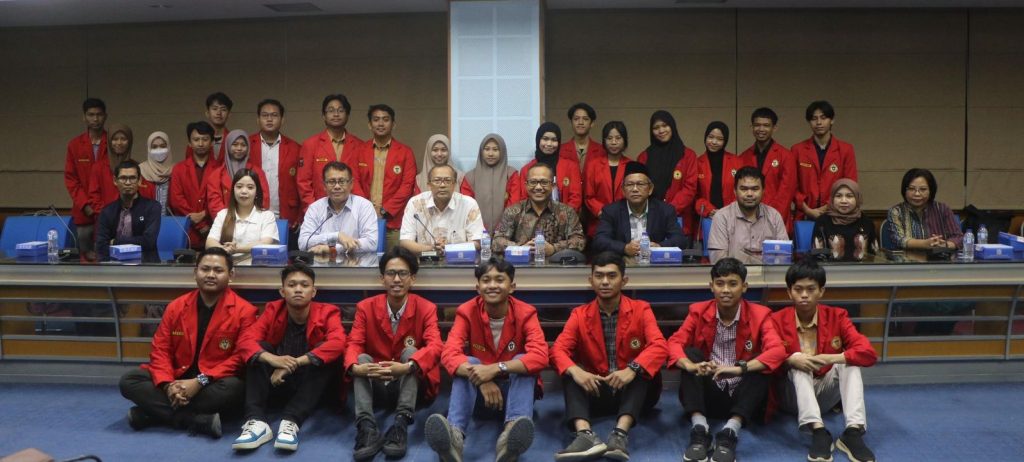
To enhance transparency and accessibility, Unhas provides comprehensive scholarship information through its official student portal. The platform details various financial aid opportunities, including government-funded programs, private sector scholarships, and grants from social foundations, all aimed at ensuring that no student is left behind due to economic barriers.
In addition to general scholarships, Unhas offers specialized financial aid programs such as the LPS Main Scholarship 2024, which supports academically outstanding students who face financial challenges. The university also partners with industry to expand scholarship opportunities and career pathways. A notable example is the collaboration in 2024 with PT Indonesia Morowali Industrial Park (IMIP), which provides the IMIP Cares Scholarship, combining financial support with a professional development and employment pathway for selected students.
In 2024, Unhas allocated scholarships for approximately 3,750 students, prioritizing those from low-income households. This initiative reflects the university’s target to ensure that at least 25% of its student population receives financial assistance, particularly those under the UKT 1 category — students verified to have minimal or zero household income. Through this effort, Unhas guarantees that students from the bottom income quintile have the opportunity to pursue their studies without financial pressure.
Furthermore, Unhas continues to broaden access to quality education through competitive programs such as the BSI Scholarship 2024, which promotes excellence and equity by supporting talented students from diverse socioeconomic backgrounds. These initiatives collectively reflect Unhas’s broader mission to bridge the educational gap and empower students from all walks of life.

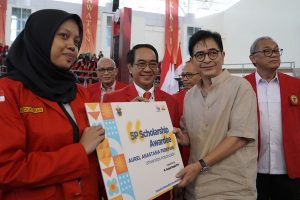
By maintaining proactive tuition policies, developing diverse scholarship schemes, and setting clear admission targets for students from the lowest income groups, Unhas plays a vital role in advancing Sustainable Development Goal (SDG) 1: No Poverty. These efforts not only help reduce educational inequality but also serve as a long-term investment in human capital. Through these inclusive initiatives, Unhas continues to empower thousands of underprivileged students to achieve their aspirations and contribute meaningfully to national and global development