Carbon emissions at Hasanuddin University are calculated using commonly used standards. The total carbon emission for 1 year is 14,239.715 metric tons. The calculation of carbon emission at Hasanuddin University is shown below:

Hasanuddin University continuously strives to reduce its carbon footprint across all areas of the campus through various energy efficiency strategies and the adoption of environmentally friendly technologies. These efforts include improving electricity use efficiency by implementing intelligent energy management systems, utilizing smart and energy-saving electrical equipment, and regulating indoor air conditioning temperatures at optimal levels to minimize excessive power consumption.
In addition to energy efficiency measures, UNHAS actively promotes the use of renewable energy through the development of various renewable energy power plants, such as Solar Power Plants, Wind Power Plants Hydroelectric Power Plants, and Biodiesel-based Power Plants (BPP).

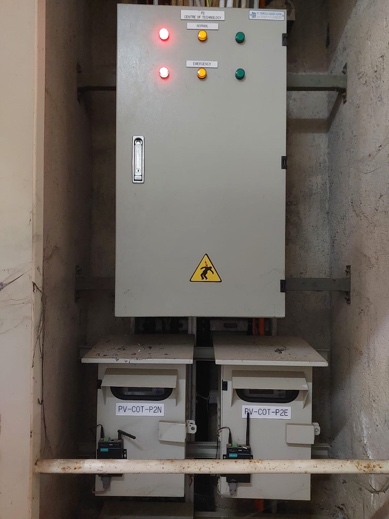
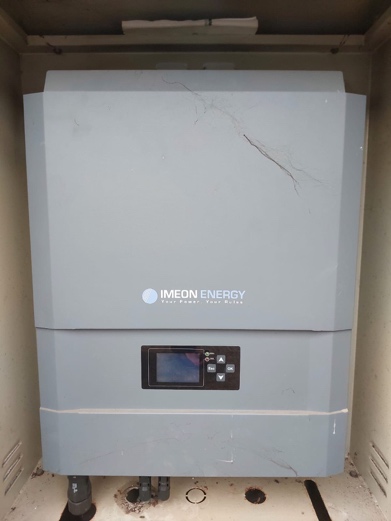
Figure 1. Solar Power Plant (SPP) at the Faculty of Engineering, Hasanuddin University


Figure 2. Solar Power Plant (SPP) at the Rectorate Building of Hasanuddin University
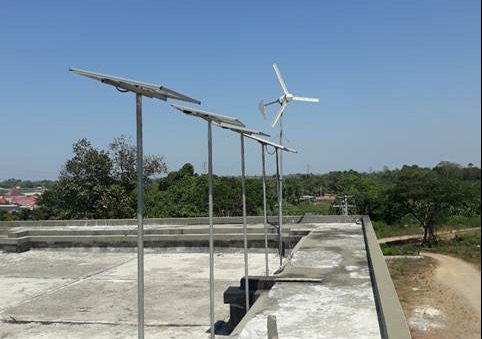
Figure 3. Wind Power Plant (WPP) 100 W and Solar Power Plant (SPP) 250 Wp
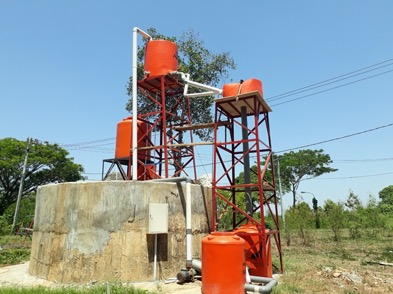
Figure 4. Hydro Power Plant (HPP) 0.5 kW at the Faculty of Engineering, Hasanuddin University


Figure 5. Biodiesel Power Plant 3.5 kW


Figure 6. Biodiesel Emergency Power Plant 2 x 1 MW